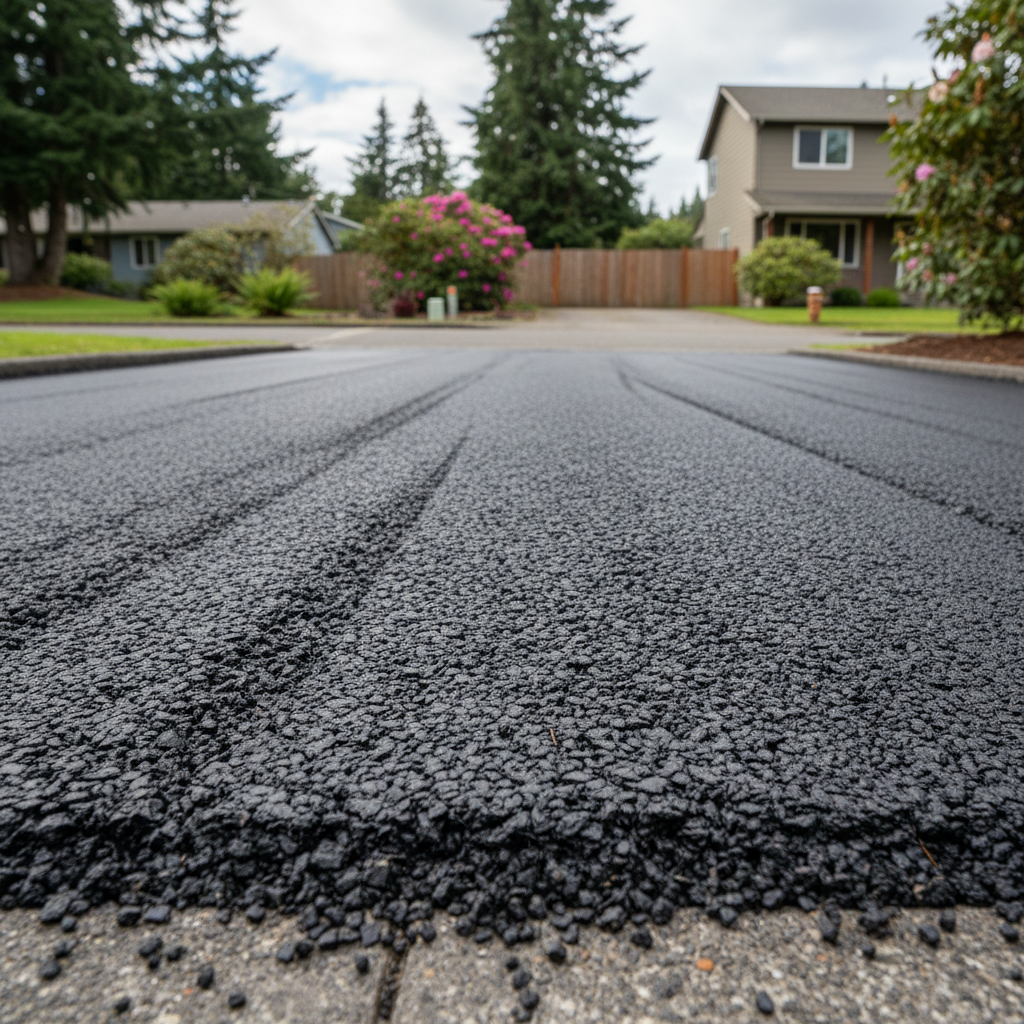
So, you're staring at your old asphalt driveway, right? Maybe it's got some cracks, a few potholes, or just isn't draining like it should, especially with all the rain we get here in Lakewood. Instead of a full rip-out and replace job, asphalt milling often makes a lot of sense. What is it, exactly? Well, we basically shave off the top layer of your existing pavement, leaving a fresh surface. You can then pave over that, or even use it as-is for a little while. But what does all this mean for you, the homeowner?
Before the Milling Crew Shows Up
First things first, you need to get a handle on what milling will actually do to your property. It's not some quiet, dust-free operation, believe me. Think heavy machinery, plenty of noise, and a fair bit of dust. So, you'll definitely want to clear the area. That means moving cars, boats, RVs, trash cans, planters — anything that's on or right next to the driveway. Got kids' toys or garden gnomes? Get 'em out of the way.
Next, really think about what's *under* that asphalt. Sprinkler heads, invisible dog fences, landscape lighting, even shallow utility lines. If you know where these things are, mark them clearly. I've seen sprinklers get chewed up because nobody bothered to mark them. We always try our best to avoid them, but if we don't know they're there, accidents happen. And hey, if you've got a fancy paver border or a concrete apron, we'll need to know that too. That way, we can mill right up to it without causing any damage.
You also need to decide what you're going to do with the milled material. Sometimes, folks want to keep it. It's actually great for gravel paths, filling in low spots, or even as a base for a shed. It's called RAP (Recycled Asphalt Pavement), and it's surprisingly useful. If you don't want it, no problem, we'll haul it away. Just make sure you've talked this over with your contractor beforehand. Here at Oasis Asphalt Inc, we always go over these details with our clients.
During the Milling Process
This is where the real heavy lifting happens, literally. A big machine, a milling machine or "cold planer" as we call it, comes in and grinds off that top layer of asphalt. It's got this huge rotating drum with teeth that just chew up the pavement. Then, a conveyor belt loads all that material directly into dump trucks. It's pretty efficient, but like I said, it's loud and dusty. Don't plan on having a quiet afternoon tea party next to the driveway, okay?
Your biggest job during this phase? Stay clear. Keep pets and kids well away from the work zone. These machines are massive, and the operators are totally focused on the job at hand. Please don't try to talk to them while they're running the equipment; it's just not safe. If you have questions, wait until they've stopped the machine or are on a break.
You might notice some water being used during the process. That's usually to keep the dust down and to cool the cutting teeth. It helps keep the air a bit clearer for the crew and for your neighbors, which is especially important in some of those tighter neighborhoods around American Lake.
After the Milling is Done
Once the milling is complete, you'll be left with a rough, textured surface. This is your new base. It's usually pretty stable, but it's definitely not a finished surface. It's designed to be paved over. If you're not paving right away, you can usually drive on it, but it'll be a bit bumpy and dusty. It's not ideal for long-term use, especially with our wet winters, as water can still get into those base layers and cause problems.
If you're planning to pave, the next step is usually sweeping the area clean. Then we apply a tack coat — basically a sticky liquid asphalt that helps the new layer bond to the milled surface. After that, the new hot asphalt goes down. If you're just leaving the milled surface for a bit, make sure you've got good drainage. You don't want water pooling up and softening the base.
As for DIY, there's not much you can do during the actual milling process. That's 100% professional equipment and expertise. Beforehand, though, you can handle all the clearing and marking yourself. Afterward, if you're keeping the RAP, you can absolutely spread that around your property. But for the milling itself and the subsequent paving, you'll want a reputable contractor. It's specialized work that really needs the right gear and know-how to get a smooth, durable result that'll last you for years.