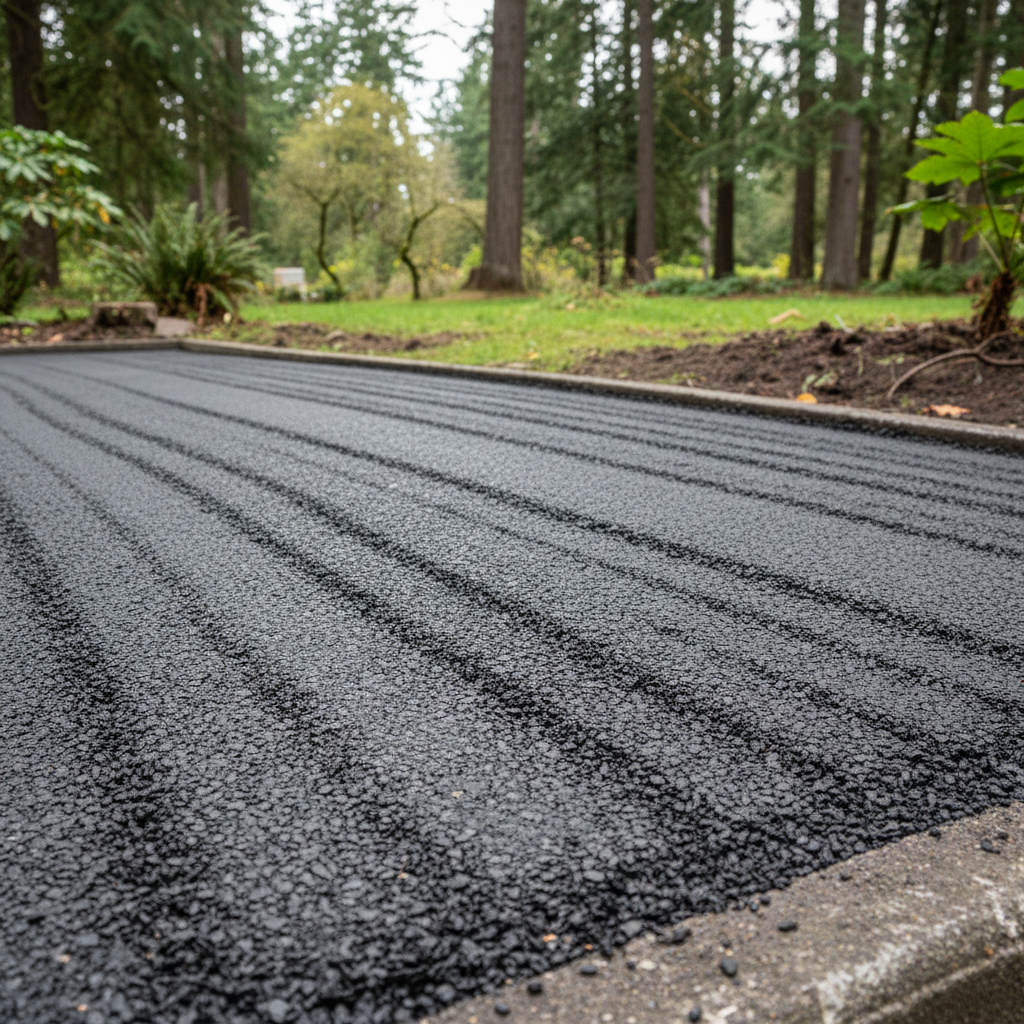
So, you're looking at your old asphalt driveway and thinking, 'It's got cracks, it's uneven, but I don't want to rip the whole thing out.' That's where asphalt milling comes in. It's basically a fancy way of saying we shave off the top layer of your existing asphalt. It's a great option for a lot of folks here in Lakewood, especially if your base layer is still solid. But what does it really mean for you, the homeowner?
Before You Start: Planning & Prep
First off, you need to figure out if milling is even the right move. If your driveway looks like a roller coaster, with huge potholes or major structural failures, milling might not be enough. You'd probably need a full tear-out and replacement. But if it's mostly surface cracks, some minor rutting, or just worn-out looking, milling can give it a fresh start without the full expense and disruption of a brand-new driveway.
Before anyone touches anything, you've got to clear the area. Move cars, boats, kids' toys, anything that's going to be in the way. You also need to mark any sprinkler heads, utility boxes, or anything else that's flush with or slightly below the driveway surface. Trust me, you don't want a milling machine chewing up your irrigation system. It's a good idea to call 811 (the Dig Alert service) a few days before you plan to start, even if you think you know where everything is. Better safe than sorry, right?
Think about drainage too. If your driveway already has pooling water issues, milling won't magically fix that. In fact, if the milling depth is uneven, it could make it worse. This is where a pro can really help assess the situation and suggest solutions, like adding a small swale or adjusting the grade slightly during the milling process.
The Milling Process: DIY vs. Pro
Alright, let's talk about what you can realistically do yourself. Can you mill your own driveway? Technically, you could rent a small milling machine, but it's not like renting a lawnmower. These are heavy, specialized pieces of equipment that require skill to operate properly. You need to maintain a consistent depth, handle the removed asphalt (called 'millings' or 'RAP' - recycled asphalt pavement), and ensure a smooth, even surface for the new layer. For most homeowners, this is firmly in the 'call a pro' category.
When Oasis Asphalt Inc. comes out for a milling job, we're bringing in a dedicated machine that can precisely remove a specific depth of asphalt, usually anywhere from 1 to 4 inches. We'll have a crew that knows how to operate it, how to manage the dust, and how to load up the millings. Those millings? They're valuable! We recycle them, often using them as a base for other projects. You don't want a mountain of asphalt chunks sitting in your yard.
What you *can* do during the process is keep the area clear, keep pets and kids away from the machinery, and ask questions. A good contractor will keep you informed about what they're doing and why.
After the Milling: What's Next?
Once the milling is done, you're left with a rough, textured surface. This isn't the final product, it's the new base. It's typically a good surface for new asphalt to bond to. You might see some areas where the base material underneath (like gravel) is exposed, especially if the original asphalt was thin or uneven. That's usually fine, as long as the overall base is stable.
The next step is usually to apply a tack coat – a sticky liquid asphalt emulsion that helps the new asphalt layer bond to the milled surface. You absolutely need this for a durable finish. Then, a new layer of hot asphalt is laid down, spread, and compacted. This is the part that makes your driveway look brand new again.
Can you lay the new asphalt yourself? Again, it's a huge undertaking. You need specialized equipment for heating, transporting, spreading, and compacting the hot asphalt. Getting a smooth, even, and properly compacted surface is critical for longevity. If it's not done right, you'll have cracks and failures much sooner than you'd expect. For homeowners in areas like Lake Steilacoom, where driveways can be long and winding, getting this right is even more important.
After the new asphalt is down and compacted, it needs time to cure. Stay off it for at least 24-48 hours, and avoid heavy vehicles for a week or so, especially if it's hot out. You'll also want to start thinking about sealing it in about 6-12 months to protect your investment. Milling is a fantastic way to revitalize your driveway without the full cost of replacement, but getting it done right, especially the milling and repaving, usually means bringing in the pros.