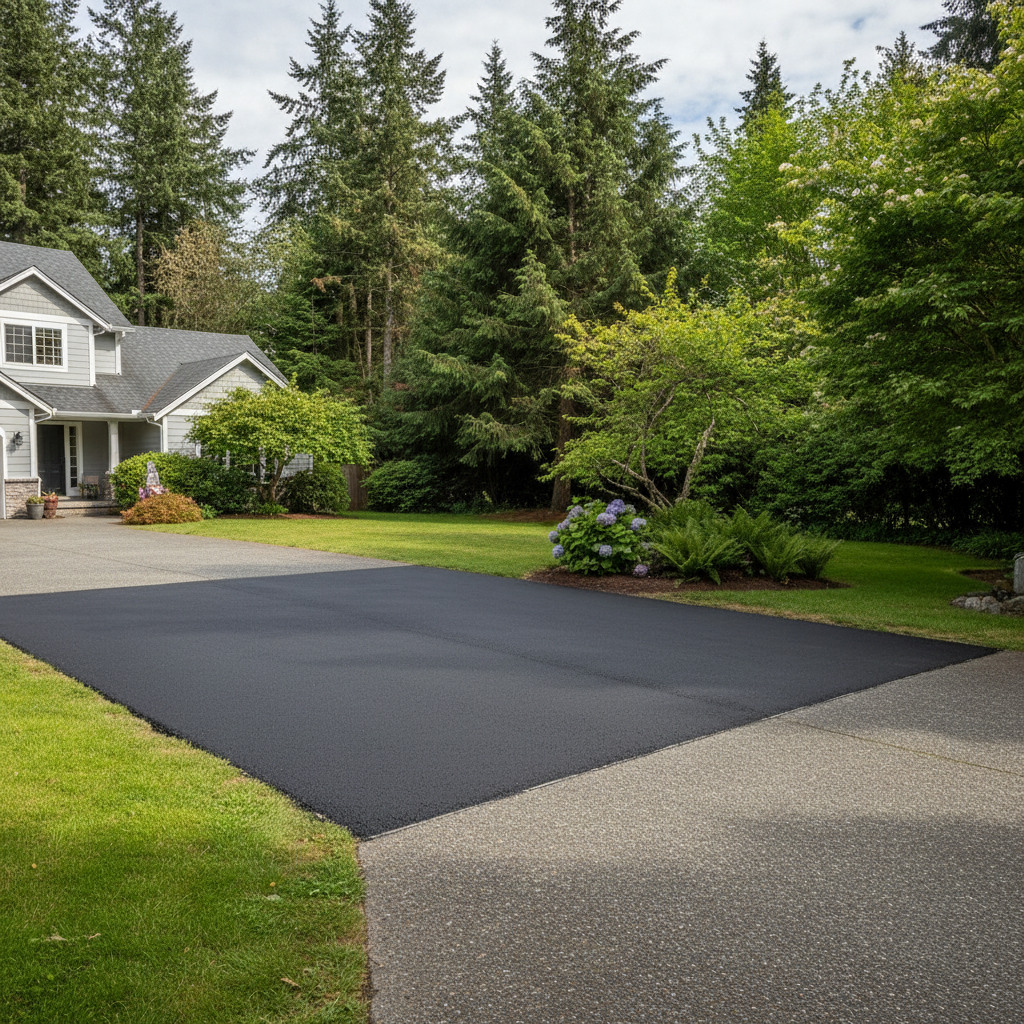
So, you've got a fresh asphalt patch. Maybe it was a pothole in your driveway, or a utility cut in your parking lot. Either way, you've invested in fixing a problem. But here's the deal: a patch isn't a 'set it and forget it' kind of repair. Especially here in Lakewood, with our wet winters and sometimes surprisingly hot summers, you need to give that patch a little love to make sure it holds up.
Extending the Life of Your Asphalt Patch
The biggest thing you can do right after a patch is installed is give it time. I know, everyone's in a hurry, but asphalt needs to cure. For the first 24-48 hours, try to keep heavy traffic off it. If it's a driveway, park on the street for a couple of days. If it's a parking lot, cone it off. This lets the asphalt compact and bond properly without being disturbed.
Once it's cured, think about what's going to hit it. Heavy vehicles, sharp turns, and even oil drips can degrade asphalt. If you've got a delivery truck that always makes a tight turn over a patched area, that's going to stress it more than a car just driving straight over it. Try to minimize these stresses where you can.
Also, keep it clean. Debris, dirt, and leaves can hold moisture against the asphalt, which isn't good. A quick sweep or blow-off every now and then goes a long way.
Regular Maintenance: What to Look For
Regular maintenance for an asphalt patch isn't rocket science, but it does require you to actually look at it once in a while. I tell my clients around the Steilacoom Lake area, especially those with older properties, to make it a habit.
- Keep an eye on drainage: Water is asphalt's worst enemy. Make sure water isn't pooling on or around the patch. If it is, that's a problem that needs addressing. Poor drainage will undermine the patch and the surrounding pavement quicker than anything else.
- Clean up spills: Oil, gas, and other chemicals can soften and break down asphalt. If you see a spill, clean it up promptly. Kitty litter works wonders for absorbing oil.
- Sealcoating (eventually): While you don't sealcoat a brand new patch immediately, eventually, as part of your overall pavement maintenance, sealcoating can protect it from UV rays and water penetration. Wait at least 6-12 months after patching before sealcoating the entire surface, including the patch. It helps blend everything and adds a protective layer.
Warning Signs of Trouble
You don't need to be an asphalt expert to spot problems. Your patch will tell you when it's struggling. Here are some red flags:
- Cracking: Small hairline cracks are normal as asphalt ages, but if you see new cracks forming within the patch, or cracks radiating out from the patch into the surrounding pavement, that's a sign of stress or movement.
- Raveling: This is when the aggregate (the small stones) starts to come loose from the asphalt binder. The surface will look rough and pitted. It means the patch is starting to break down.
- Depressions or Bulges: If the patch starts to sink, creating a dip, or if it pushes up, forming a bulge, that indicates a problem with the base material underneath or improper compaction during installation.
- Water Pooling: As I mentioned, standing water is a big no-no. If water consistently sits on top of your patch, it's going to accelerate its deterioration.
- Loose Edges: The edges of the patch should be firmly bonded to the surrounding pavement. If you can kick at the edge and pieces start breaking off, or if you see a clear separation line, that bond is failing.
When to Call a Professional
Look, I'm all for DIY when it makes sense, but some things are best left to the pros. If you see any of those warning signs, especially cracking, raveling, or significant depressions, it's time to pick up the phone. Don't wait until a small problem turns into a giant, expensive one.
A professional, like us at Oasis Asphalt Inc, can assess the situation. Sometimes, it's a simple crack fill that can extend the life of the patch. Other times, it means the original problem wasn't fully addressed, or the base failed, and it might need a more substantial repair. Catching these issues early can save you a lot of headache and money down the road. We can tell you if it's just surface wear or if there's something more serious going on underneath that patch.
Our rainy season here in Western Washington is brutal on pavement. Water gets into those tiny cracks, freezes (even if it's just a light freeze), expands, and then thaws, creating bigger cracks and potholes. That freeze-thaw cycle is a killer. So, being proactive with your asphalt patch maintenance isn't just about aesthetics; it's about protecting your investment against our local climate.