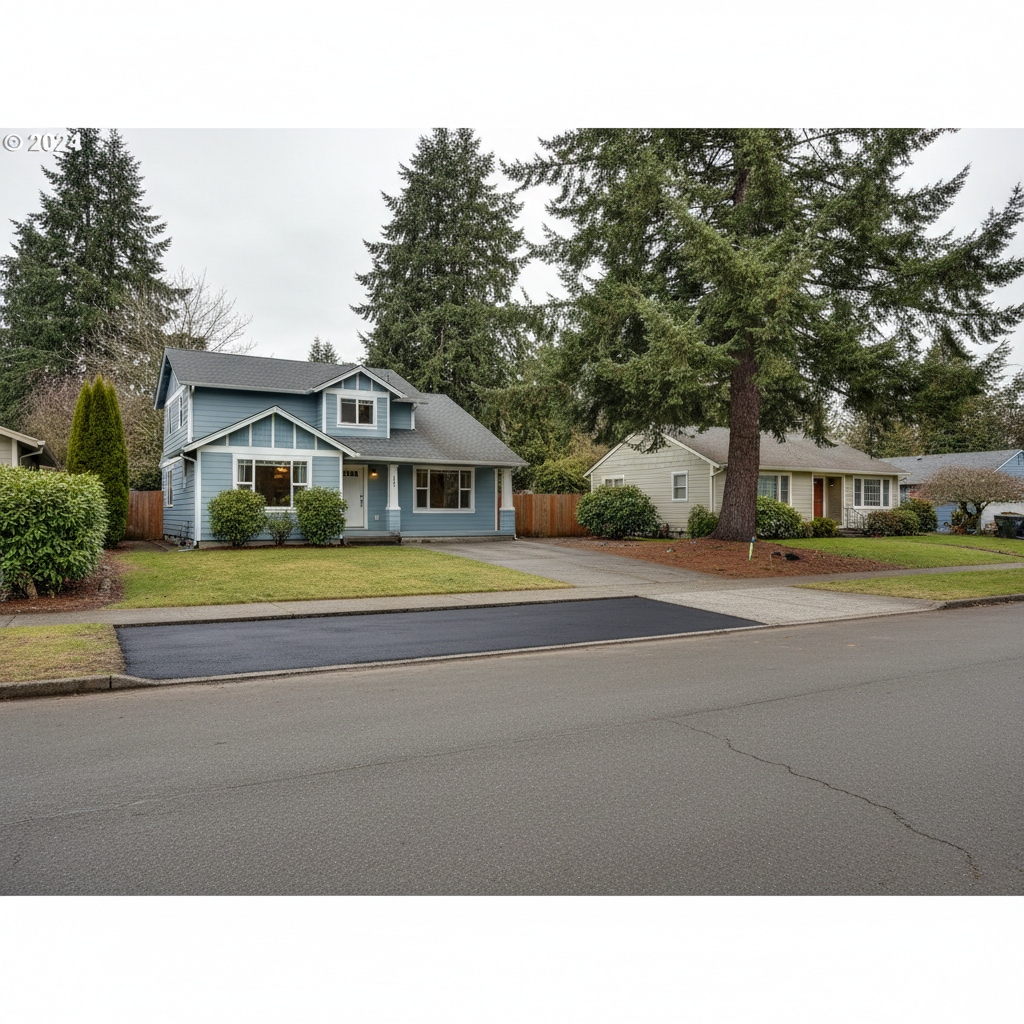
Got a pothole? Maybe it's just a small crack that's decided to spiderweb across your driveway or parking lot. It happens, doesn't it, especially around here. Our weather, with its wet winters and sometimes surprisingly warm summers, really puts asphalt through its paces. When you spot that damage, your first thought might be, "Can I just fill it myself?" or maybe, "Is this going to cost me an arm and a leg?"
Patching: More Than Just a Quick Fix
Look, patching isn't just about throwing some asphalt in a hole and calling it good. If you do it right, it's a critical part of keeping your pavement in shape and preventing bigger, more expensive problems down the road. Think of it like a small leak in your roof. You wouldn't just ignore it until the whole ceiling collapses, would you? Same goes for your asphalt.
When water gets into those cracks and potholes, especially during our rainy season, it freezes and expands. That's the freeze-thaw cycle for you, and it's a killer for pavement. It pushes the asphalt apart, turning small problems into huge ones. Then, with cars and trucks driving over it, those weak spots just crumble. Before you know it, you've got a crater where you used to have a smooth surface.
Common Patching Projects We Tackle in Lakewood
Around Lakewood, I see all sorts of patching needs. We've got everything from older residential streets in places like the Tillicum neighborhood, where the original paving might be decades old, to commercial parking lots near Bridgeport Way that see heavy daily traffic. Each one brings its own set of challenges.
- Residential Driveways: Often, it's about fixing utility cuts from a new water line, or maybe some tree roots pushing up the pavement. Sometimes it's just general wear and tear from years of cars parked in the same spot. We want your patch to blend in and hold up, not just look like a patchwork quilt.
- Commercial Parking Lots: These really take a beating. Delivery trucks, constant turning, heavy vehicles – it all adds up. I've patched more loading dock areas and dumpster pads than I can count. These spots need durable, well-compacted patches that can withstand serious stress. You certainly can't afford to have customers tripping or vehicles getting damaged.
- Roadways and Private Lanes: Sometimes it's a private road in a gated community, or a section of a larger commercial property. These often have deeper, more extensive potholes that need careful attention to ensure proper drainage and structural integrity.
The Local Lakewood Difference
This isn't some generic advice you'd get from a national chain, you know. This is all about Lakewood. We understand the soil conditions here – sometimes a mix of sandy loam and clay, which can affect how water drains and how stable your sub-base is. We know the traffic patterns, the types of vehicles that frequent different areas, and even the local utility companies and their common trenching practices.
For example, if you're near American Lake, you might have more issues with water runoff and saturation. If you're closer to I-5, you're dealing with heavier vehicle vibrations. A good local contractor, like us at Oasis Asphalt Inc, understands these nuances. We don't just apply a one-size-fits-all solution; we assess the underlying cause of the damage. Is it a drainage issue? A weak sub-base? Poor original installation? Getting to the root of it means your patch lasts.
What Goes Into a Good Patch?
It's more than just dumping hot mix. Here's the basic rundown:
- Cutting Out the Bad: You can't just patch over crumbling asphalt. We cut out the damaged section in a neat, clean shape. This creates strong edges for the new asphalt to bond to.
- Prepping the Base: This is huge. We clean out any debris, make sure the sub-base is stable, and sometimes add new aggregate if needed. If the base isn't solid, your patch won't be either.
- Applying Tack Coat: This is a sticky asphalt emulsion that acts like glue, helping the new asphalt adhere to the old pavement and the base. Don't skip this step!
- Laying the Hot Mix: We use quality hot mix asphalt, applied in layers if it's a deep patch, and then compact it thoroughly. Compaction is key to durability.
- Compacting: Using rollers or vibratory plates, we compact the new asphalt to match the surrounding pavement. This ensures a smooth transition and prevents future settling.
Doing it right means the patch becomes an integral part of your pavement, not just a temporary fix that'll pop out next winter. You want a patch that's going to stand up to our wet, cool springs and the occasional heavy truck.
Why Trusting a Local Pro Matters
When you hire a local company, you're not just getting a crew; you're getting people who live and work in this community. We're invested in Lakewood. We've got a reputation to uphold right here in our own backyard. We're familiar with the local suppliers, the specific materials that perform best in our climate, and the city's regulations.
You want someone who understands that a patch on a busy commercial lot needs to be done efficiently to minimize disruption, or that a driveway patch needs to look good for your home's curb appeal. We're not just passing through; we're your neighbors. When you call Oasis Asphalt Inc, you're getting that local expertise and commitment.
Don't let those small cracks and potholes turn into major headaches. Get them patched right, and keep your pavement strong for years to come.