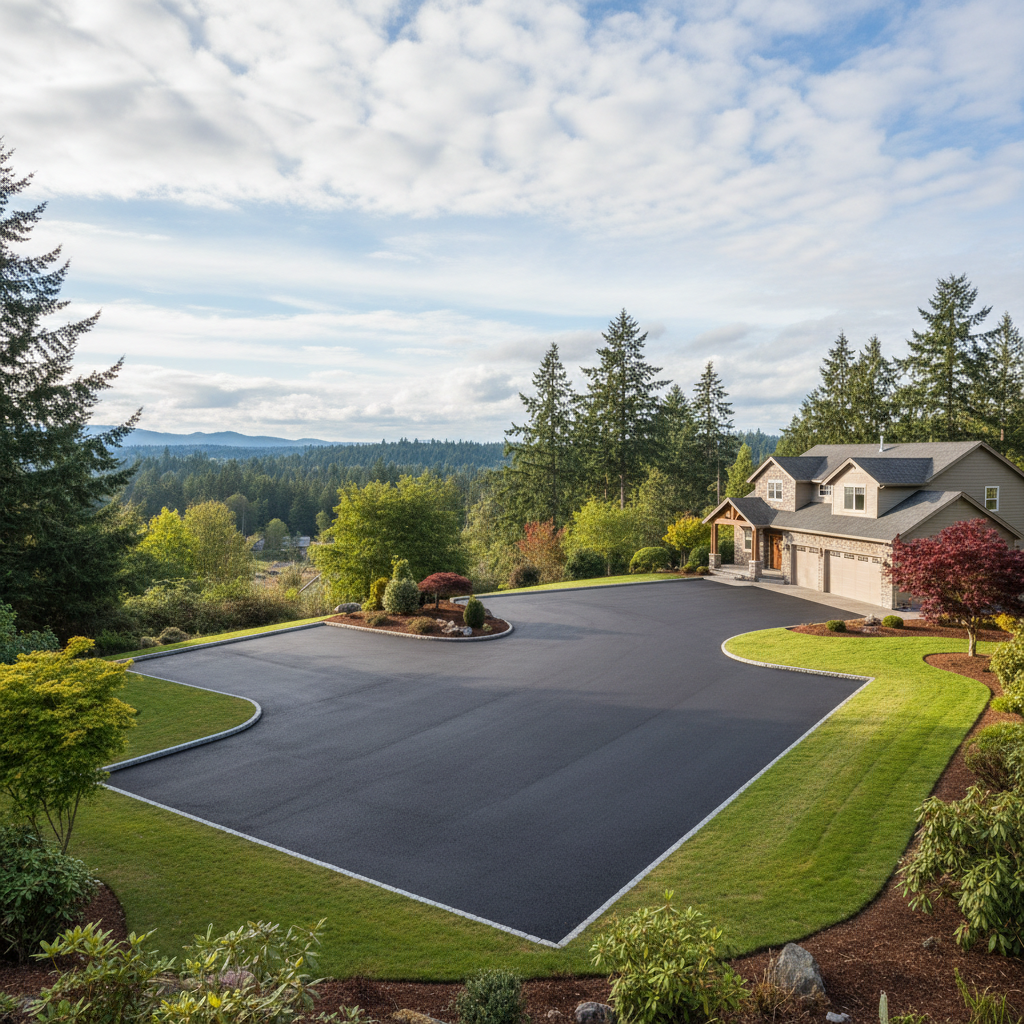
So, you're looking at getting a new parking lot paved, maybe for your home, or a small business here in Lakewood. That's a big project, and it's smart to go into it with your eyes wide open. I've been doing this for a long time with Oasis Asphalt Inc, and I've seen folks make all sorts of mistakes, mostly because they didn't know what to expect. Let's get you squared away.
Understanding Your Project Timeline
A lot of people think paving is a quick in-and-out job. It can be, for a small patch, but a whole parking lot? Not so much. The actual paving itself might only take a day or two, but there's a lot that happens before and after that. You've got to factor in getting quotes, scheduling, site prep, the paving, and then the curing time.
- Getting Quotes: Give yourself at least 2-3 weeks for this. You want to talk to a few different contractors, get their bids, and make sure they're legitimate.
- Scheduling: Good contractors are busy, especially during our drier summer months here in the Pacific Northwest. You might be looking at a 2-6 week lead time from when you sign the contract to when they can actually start work.
- Site Preparation: This is where the real work happens. Depending on your current surface and the condition of the subgrade, this could be anywhere from a couple of days to a week or more. If we find soft spots or a lot of old, broken asphalt that needs to be hauled away, that adds time.
- Paving: For most residential or small commercial parking lots, the actual laying of the asphalt is usually a 1-2 day affair.
- Curing: This is crucial. You can't just drive on it immediately. You'll need to stay off it for at least 24-72 hours, sometimes longer for heavy vehicles, to let the asphalt cure properly.
All told, from your first call to when you can actually use your new lot, you're probably looking at a 4-10 week process. Don't rush it.
What to Expect During the Process
When we're on site, it's a construction zone. Plain and simple. Here's a rundown of what's going to happen:
- Demolition and Excavation: If you've got an old surface, we'll rip it out. That means noise, dust, and heavy machinery. We might need to dig down a bit to get to solid ground, especially if the subgrade isn't stable. Around here, with our clay soils, proper drainage and a good base are non-negotiable.
- Grading and Base Installation: This is where we shape the ground, ensuring proper water runoff. We'll bring in aggregate (crushed rock) and compact it down to create a strong, stable base. This is the foundation of your parking lot; if it's not done right, nothing else will hold up.
- Asphalt Paving: Hot asphalt mix gets delivered by trucks, spread by a paver machine, and then compacted by rollers. It's hot, it smells, and it's loud. We'll be working efficiently to get it laid evenly and to the right thickness.
- Cleanup: Once the asphalt is down and compacted, we'll clean up the site, remove debris, and make sure everything looks tidy.
You'll need to keep people and vehicles away from the work area for safety and to let us do our job. We'll talk about access points and how to manage traffic flow around the site before we even start.
How to Prepare Your Property
Before the crew shows up, there are a few things you can do to make things go smoother:
- Clear the Area: Move anything you don't want damaged or in the way. Cars, boats, RVs, planters, garbage cans, kids' toys – get 'em out.
- Mark Sprinklers/Utilities: If you have underground sprinklers, buried dog fences, or other shallow utilities near the paving area, mark them clearly with flags or paint. We don't want to hit anything.
- Inform Neighbors: Let your neighbors know about the upcoming work. There will be noise, dust, and possibly blocked access for a short time. A little heads-up goes a long way.
- Discuss Access: Talk with your contractor about where equipment will enter and exit, and where materials will be staged. Make sure there's a clear path.
- Plan for No Access: For the duration of the project, and especially during the curing phase, you won't be able to use that parking area. Plan alternative parking for yourself, employees, or customers.
Questions to Ask Before Signing a Contract
Don't just go with the cheapest bid. Ask these questions:
- Are you licensed and insured in Washington State? Get their license number and verify it. Ask for proof of insurance. This protects you if something goes wrong.
- Can you provide references? A good contractor will happily give you names and numbers of past clients. Call them! Ask about their experience, communication, and if the project was on budget and on time.
- What's included in the price? Get a detailed breakdown. Does it include excavation, hauling away old material, base rock, asphalt, labor, and cleanup? Are there any hidden fees?
- What thickness of asphalt will you be laying, and what's the base material? For a parking lot, you generally want at least 2-3 inches of compacted asphalt on a good, solid base. Don't let anyone skimp on the base.
- What's your warranty? A reputable contractor should offer some kind of warranty on their work, typically for at least a year against defects in workmanship.
- How do you handle unexpected issues? Sometimes we hit unforeseen problems, like really bad soil or buried debris. How will they communicate this and what's the process for addressing it and potential cost changes?
- What's the payment schedule? Avoid contractors who demand a huge upfront payment. A reasonable down payment (10-30%) is common, with the remainder due upon satisfactory completion.
Taking the time to plan and ask the right questions will save you headaches and money down the road. A new parking lot is an investment, and you want it done right. If you're in the Lakewood area and have more questions, or want a quote, give us a call at Oasis Asphalt Inc. We're always happy to talk shop.