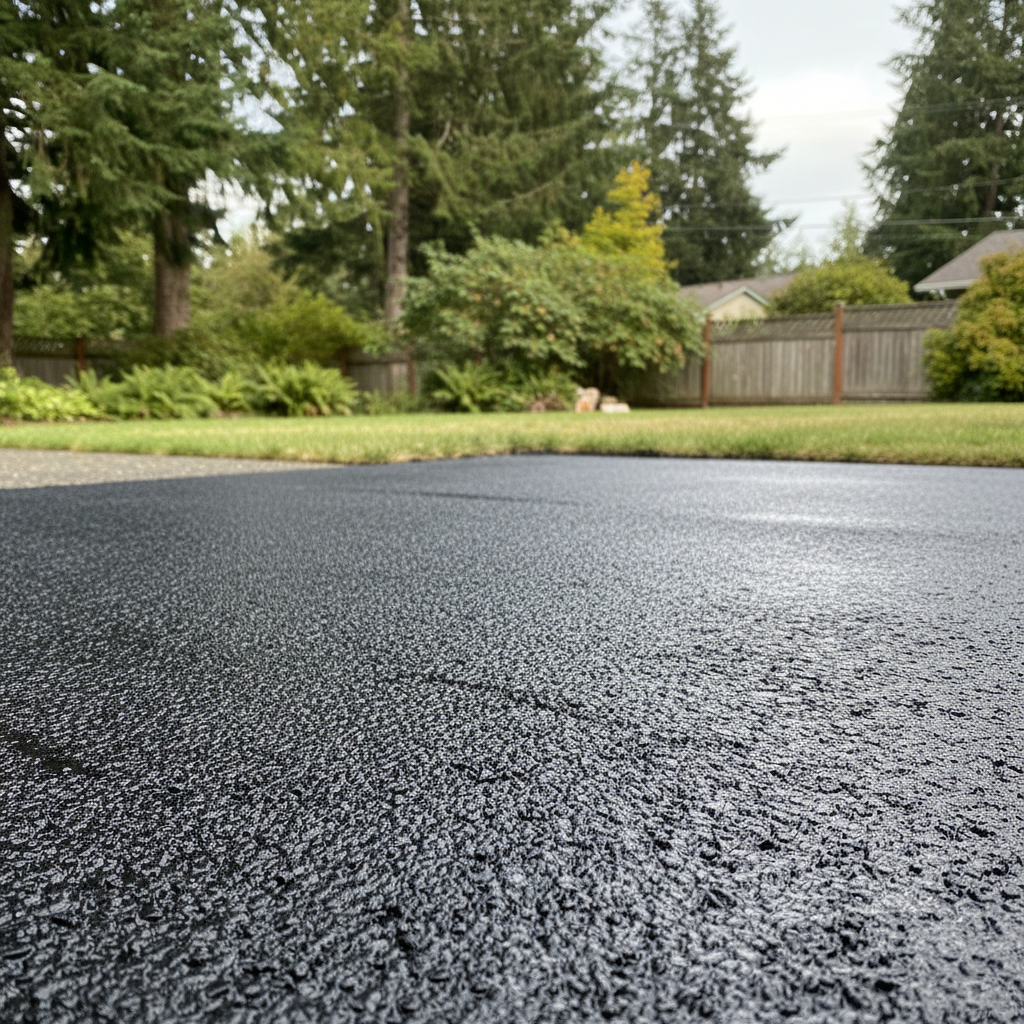
Your asphalt driveway takes a beating, especially with our Pacific Northwest weather. Rain, sun, and even the occasional snow in Lakewood can really wear it down. If you're seeing it fade, crack a little, or just look generally tired, you might be thinking about a slurry coat. It's a great way to protect your investment and make your property look sharp again. But can you do it yourself, or should you call someone like us?
What Even Is Slurry Coating?
Alright, first things first. A slurry coat isn't just paint. It's a mix of asphalt emulsion, water, mineral fillers, and some other additives. When it's applied, it fills in small cracks, restores that deep black color, and creates a protective layer over your existing asphalt. Think of it like a heavy-duty sunscreen for your driveway. It helps prevent water intrusion, slows down oxidation from the sun, and generally extends the life of your asphalt. It's not for major structural repairs, though. If you've got big potholes or significant cracks, you'll need those fixed first, and that's usually a job for a professional.
Before You Even Think About Coating
Preparation is key, and this is where you, the homeowner, can do a lot of the heavy lifting. Seriously, a good prep job makes all the difference. You'll need to thoroughly clean the driveway. I'm talking about sweeping off all loose dirt, leaves, and debris. Then, you'll want to power wash it. Get rid of any oil stains, moss, or mildew. Our damp climate around places like Lake Steilacoom means moss can be a real problem, so don't skimp on this step. Make sure the driveway is completely dry before you even think about applying anything. If it's still damp, the slurry won't adhere properly, and you'll end up with a mess.
Next, address any existing cracks. Small hairline cracks can be filled with a good quality crack filler. You can find these at most hardware stores. Follow the instructions carefully. For larger cracks, say anything wider than a quarter-inch, you might be pushing the limits of a DIY fix. If you've got a network of alligator cracks, that's a sign of a deeper structural issue, and a slurry coat alone won't solve it. That's when you definitely need to call in a pro to assess the damage properly. Trying to just cover those up is like putting a band-aid on a broken leg.
DIY Slurry Coating: What You're Getting Into
If your driveway is in pretty good shape – just faded with minor cracks – you can tackle a DIY slurry coat. Here's what you'll need:
- The Slurry Product: Buy a good quality asphalt driveway sealer. Don't cheap out here; it's worth spending a little more for a better product that will last.
- Tools: You'll need a long-handled squeegee or a specialized sealer brush. Some people use rollers, but a squeegee often gives a more even coat. You'll also need some brushes for edges, painter's tape, and old clothes you don't mind getting ruined.
- Weather: Pick a day with mild temperatures (not too hot, not too cold) and no rain in the forecast for at least 24-48 hours. Our spring and fall here in Lakewood can be tricky, so check that forecast religiously.
The process itself involves pouring the slurry onto the driveway and spreading it evenly with your squeegee. Work in small sections, making sure to get good coverage without leaving puddles. You'll usually need two coats, letting the first one dry completely before applying the second. This can take several hours, sometimes even a full day, depending on the product and weather conditions.
When to Call a Pro (Like Oasis Asphalt Inc.)
Look, I'm all for saving a buck, but some jobs are just better left to the experts. Here's when you should definitely give us a call:
- Extensive Cracking or Potholes: As I mentioned, if your driveway looks like a spiderweb or has craters, a slurry coat won't cut it. We can properly repair those issues before applying a protective layer.
- Large Driveways: If you've got a really big driveway, doing it yourself is a monumental task. It's physically demanding, and it's tough to maintain a consistent finish over a large area without specialized equipment.
- Uneven Surfaces: If your driveway has significant dips or humps, applying a slurry coat evenly will be a nightmare. We have the tools and experience to deal with these irregularities.
- Time Constraints or Lack of Confidence: If you don't have the time, the right tools, or just aren't confident in your ability to get a good result, don't stress yourself out. A poorly applied slurry coat can look worse than no coat at all and can even shorten the life of your driveway.
- Commercial Properties: For businesses, a professional finish is critical for curb appeal and safety. Leave it to us.
At Oasis Asphalt Inc., we've got the right equipment, the right materials, and the know-how to get a smooth, durable finish that lasts. We've seen all sorts of driveways around Lakewood, from the older homes near American Lake to the newer developments, and we know how to handle them. We can assess your driveway's condition, recommend the best course of action, and get the job done right, saving you time, hassle, and potentially costly mistakes down the road.
After the Slurry Coat
Whether you DIY or hire us, the aftercare is pretty similar. You'll need to stay off the driveway for at least 24-48 hours, sometimes longer, depending on the product and weather. Don't park heavy vehicles on it too soon. Avoid turning your steering wheel while the car is stationary on the fresh coat, as this can leave scuff marks. Keep an eye on it for the first few weeks, and try to keep it clean. A good slurry coat, properly applied, should give you a few years of protection and a great-looking driveway.
So, take a good look at your driveway. If it's just a little tired, you might be able to spruce it up yourself. But if it's seen better days, or you just want the peace of mind that comes with a professional job, you know who to call.